Plant identification in the Pacific Northwest
An immersive, field-based botany and ecology course

Would you like to learn to identify plants of the Pacific Northwest and hear the ecological stories they tell? Join Dr. Jesse Miller and Alex Slakie for a field-based five class series focused on the flora of our region in the spring and early summer of 2026. We will visit some of the best wildflower hotspots in the region!
Classes will meet at field locations in and around the Columbia River Gorge on five Sundays from March-June 2026. We will begin at low elevation sites in the early spring and move up to higher elevation sites as the season continues, following the progression of blooms. All sites will be within approximately 60-90 minutes of Portland, and most classes will be within about 30 minutes of Hood River.
This class series is designed for people working in (or aspiring to work in) in natural resource conservation, field botany, ecological restoration, plant propagation, or other related fields, as well as dedicated amateur naturalists. Some basic botanical experience is helpful, but beginners are welcome. To maximize the benefits of this class, all students are encouraged to spend significant time outside of class studying and practicing plant identifications. We will provide guidance on how you can maximize your experience in the class.
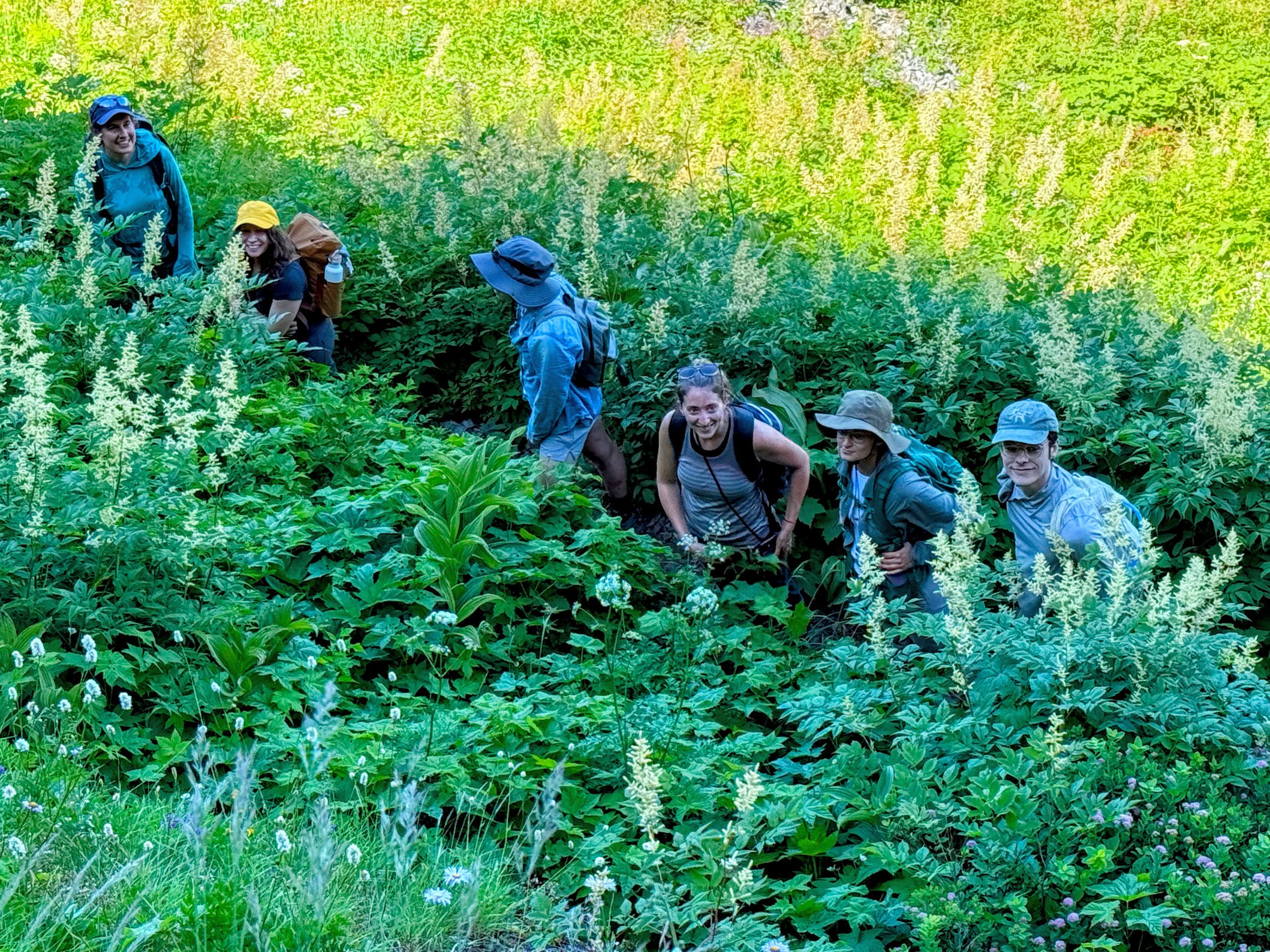
One of our favorite parts of teaching classes like this is the community of plant lovers that forms as we spend time together in the field. If you’re looking to befriend more fellow nature appreciators and strengthen your botanical community, this will be a great place to do it!
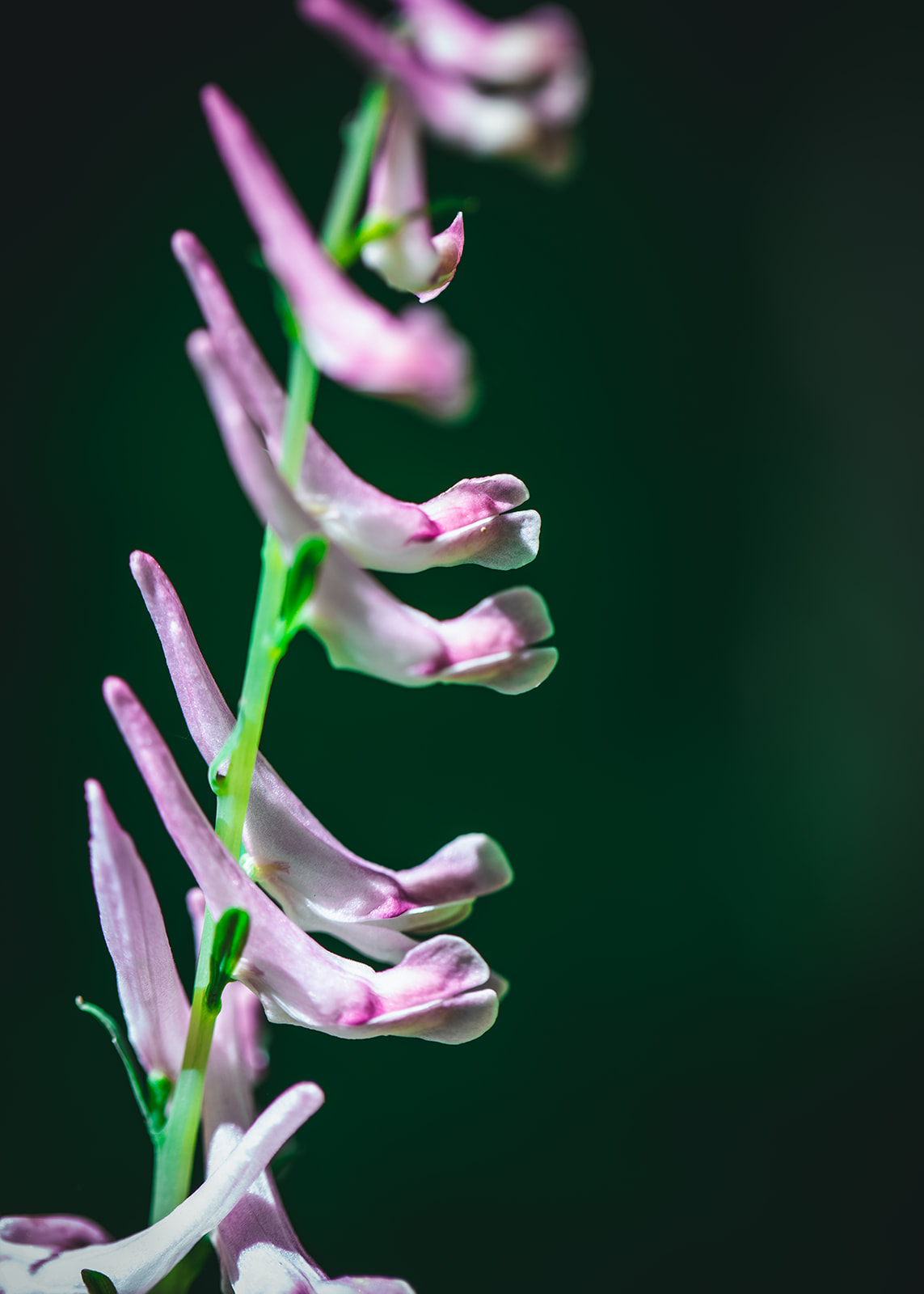
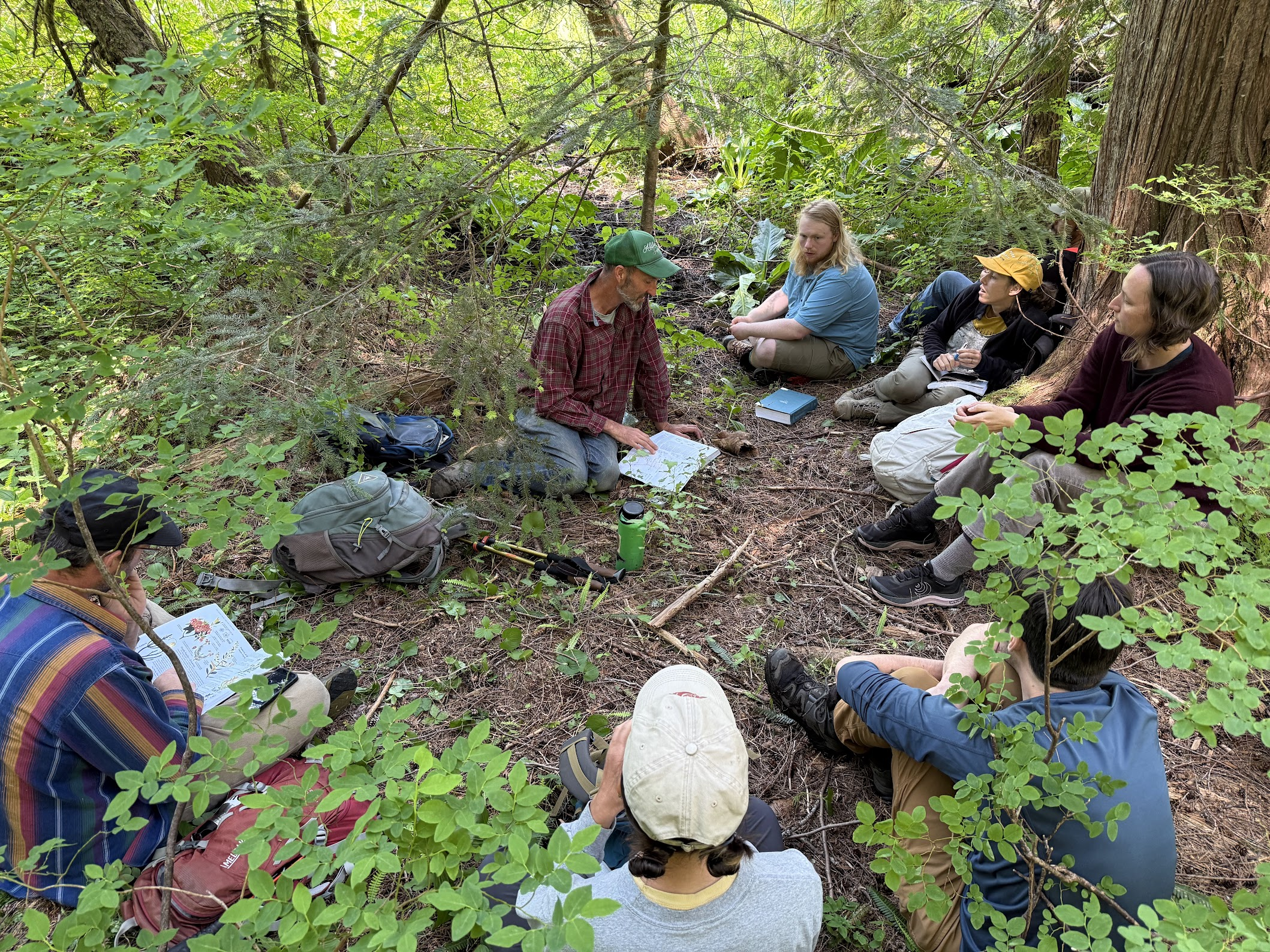
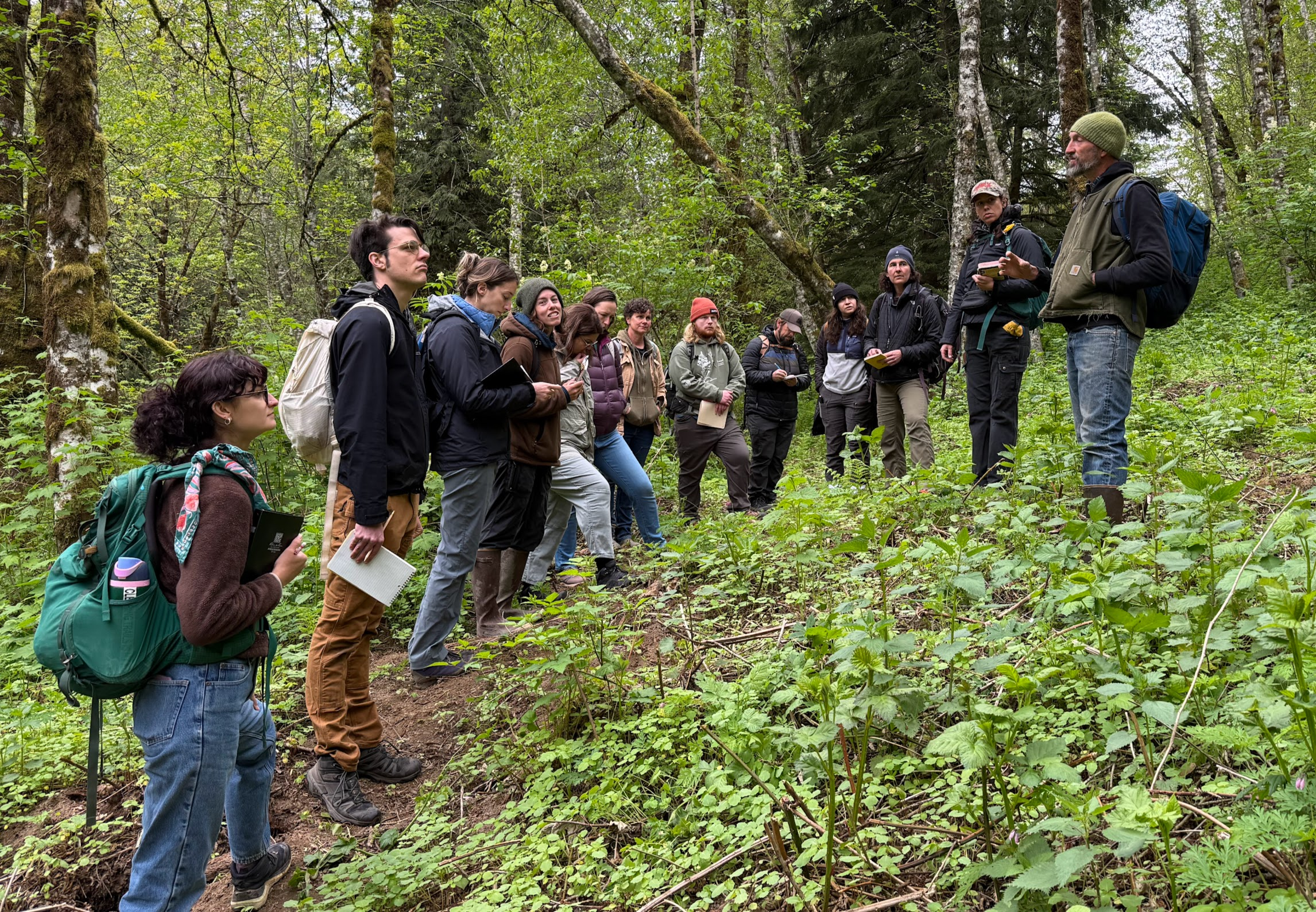
On each class day, we will meet in the field from 10:30 am until about 4:30 pm (exact ending times may vary slightly). We will hike as far as five-six miles in some cases, with frequent pauses to look at plants; students should be prepared for moderately strenuous hiking. In each class, we will give field lectures on certain plant families and other botanical topics. We take a student-centered approach to teaching, and classes will be interactive with frequent Q&A and discussions. We seek to help you learn by experiencing the plants first-hand, with as many of your senses as safely possible.
Everyone is welcome, but please leave your dogs at home.
Our approach to plant identification focuses on learning to recognize common plant families of the region. We will also share information on plant ecology and the uses of some plants for food and medicine. We will help you learn to “read landscapes” and interpret what the plants are telling us about the ecology and history of places where they grow. We will use field guides as well as the technical dichotomous key, Flora of the Pacific Northwest, as tools to help us identify plants. Students should plan to invest in a few books to be able to get the most out of the class.
Students should bring a notebook for sketching plants—an important practice for learning to identify them–and making notes. We expect to hold classes rain or shine, but may cancel for extreme weather. Be sure to bring warm layers, raingear, and plenty of food and water.
Tentative schedule*
*Note that dates are not expected to change, but locations and topics will likely change depending on how the season progresses—we will give final details of meeting locations a few days before the class each week. Each week we will see many plants and cover many topics beyond the summary below.
March 15 – Mosier area – Flower morphology, borage family, iris family, lily family, introduction to plant keying
April 12 – Klickitat watershed – Leaf morphology, Oak woodland ecology, carrot family, sunflower family
May 17 – Corbett area – Ecological restoration, Fruit and seed morphology, buttercup family, rose family
June 7 – Western Gorge Highlands – Pea family, mustard family, advanced plant keying
June 28 – Lewis River Watershed – Mountain meadow ecology, broomrape family, phlox family
Field trips involve significant safety hazards, and students are responsible for their own safety and wellbeing.
Space is limited to ensure a small student-instructor ratio–register early to secure your spot!
Registration information:
The course is offered on a sliding scale cost to improve accessibility for low-income people. Please pay what you can. Students who pay more help us make the class available to those in need.
Early bird discount (before March 8): $700-950, sliding scale
After March 8: $800-$1,050, sliding scale
Registration for individual course meetings is also available for $160-210 per day.
Payment is required at the time of registration to hold your place in the class.
Contact Jesse Miller with questions: kawriver [at] gmail.com
To stay informed about future class and workshop offerings, please join Jesse’s mailing list.
About the instructors
Instructor bios:
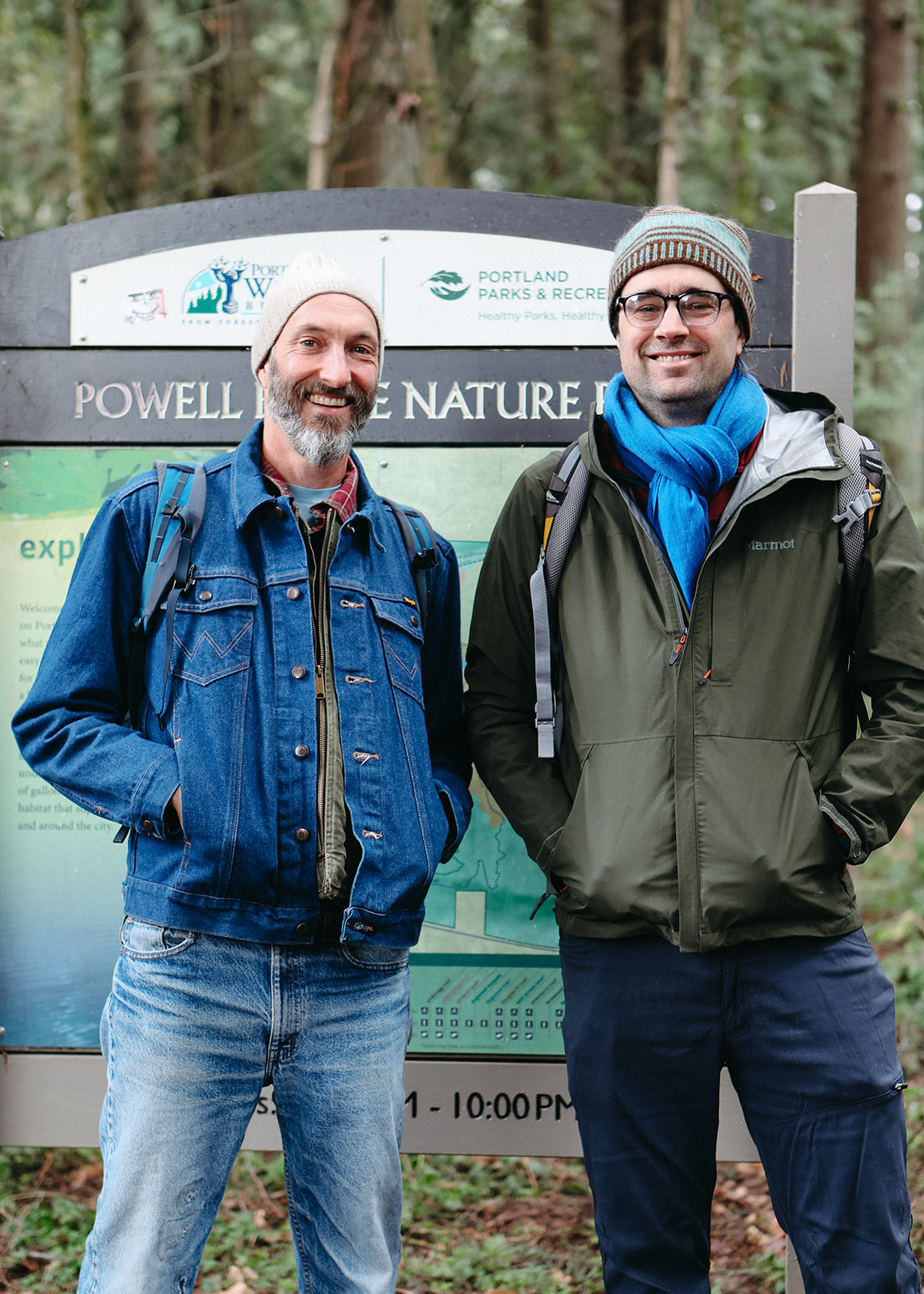
Dr. Jesse Miller currently teaches in the Masters in Environmental Studies Program at The Evergreen State College. He previously served as the Lead State botanist for the Washington Department of Natural Resources. Prior to the DNR, Jesse taught ecology and statistics at Stanford. He has worked as a field botanist since 2007 throughout the Pacific Northwest and California. He received his Ph.D. in plant ecology from the University of Wisconsin, Madison in 2016. He loves helping people get to know the natural world.
More info / contacts:jesseedmiller.com; 541-482-4923; join jesse’s mailing list to stay informed about future classes.
Alex Slakie is a Pacific Northwest born restoration ecologist, botanist, and farmer. He supplies willow live stakes and seeds to salmon and habitat restoration projects in the region through his company, Flora Northwest. He is passionate about connecting people to the plants and the stories they hold.
More info / contacts: floranw.com; 360-352-6170
This course is a production of Jesse E. D. Miller, LLC.
 Jesse E. D. Miller